
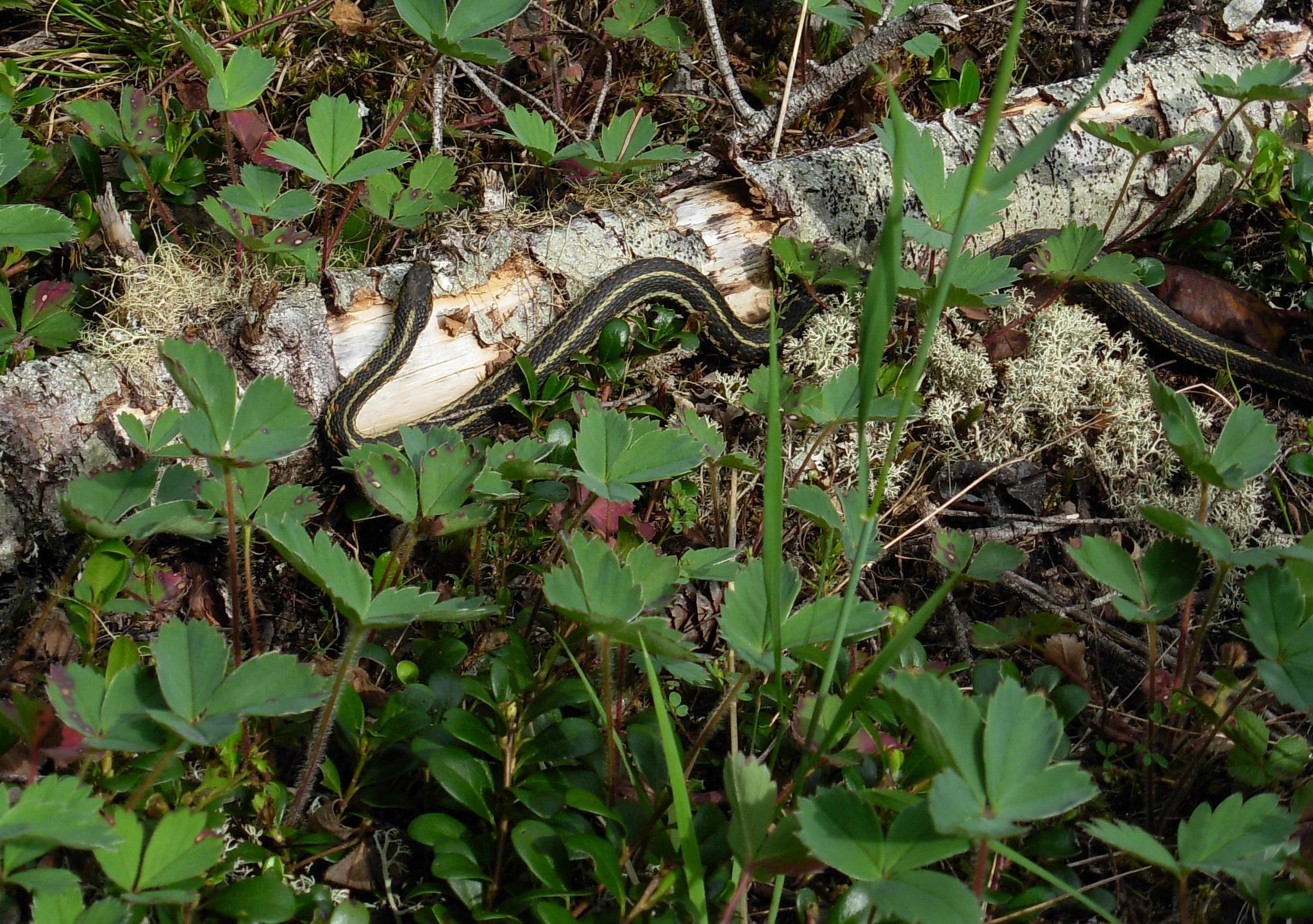
SAN FRANCISCO GARTER SNAKE

San Francisco Garter Snake Portrait Commercial

Our Work

The San Francisco garter snake has been dubbed “the most beautiful serpent in North America,” and it's arguably one of the most endangered species, too. All known populations of this fantastically colored snake occur in scarce coastal and bayside wetlands in San Mateo County.

The Center is working to protect and restore habitat for this rare and unique turquoise serpent.

Numerous toxic pesticides known or suspected to harm garter snakes are used in San Mateo County. The Center is challenging the Environmental Protection Agency's registration and authorization for use of 44 toxic pesticides in and upstream of habitats for San Francisco Bay Area endangered species, including the San Francisco garter snake. We continue to monitor and oppose harmful chemical pesticide use in California through our Pesticides Reduction Campaign.

About the Center

The Center for Biological Diversity works to secure a future for all species, great and small, hovering on the brink of extinction.

We've shown time and time again that we can win for wildlife: Over the past 30 years, the Center has been able to safeguard protections for more than 750 imperiled species and over half a billion acres of habitat.

We're the one group that never turns its back on any species clinging to survival.

We're proud to have the support of more than 1.7 million members and online activists - and counting. Together we have the clout to force the changes in policy needed to stop the climate emergency, the wildlife extinction crisis, protect air and water, and secure a future for plants and animals hovering on the brink of extinction.

When you donate to the Center, we won't send you a tote-bag or a plush toy, but you'll get the satisfaction of being part of the best defense endangered species and wild places have got.

The Center for Biological Diversity works to secure a future for all species, great and small, hovering on the brink of extinction. Support to the plants and animals that need it most. If you're not a Center for Biological Diversity member, please join us today.