Tell Gov. Landry: Clean Up the Coast
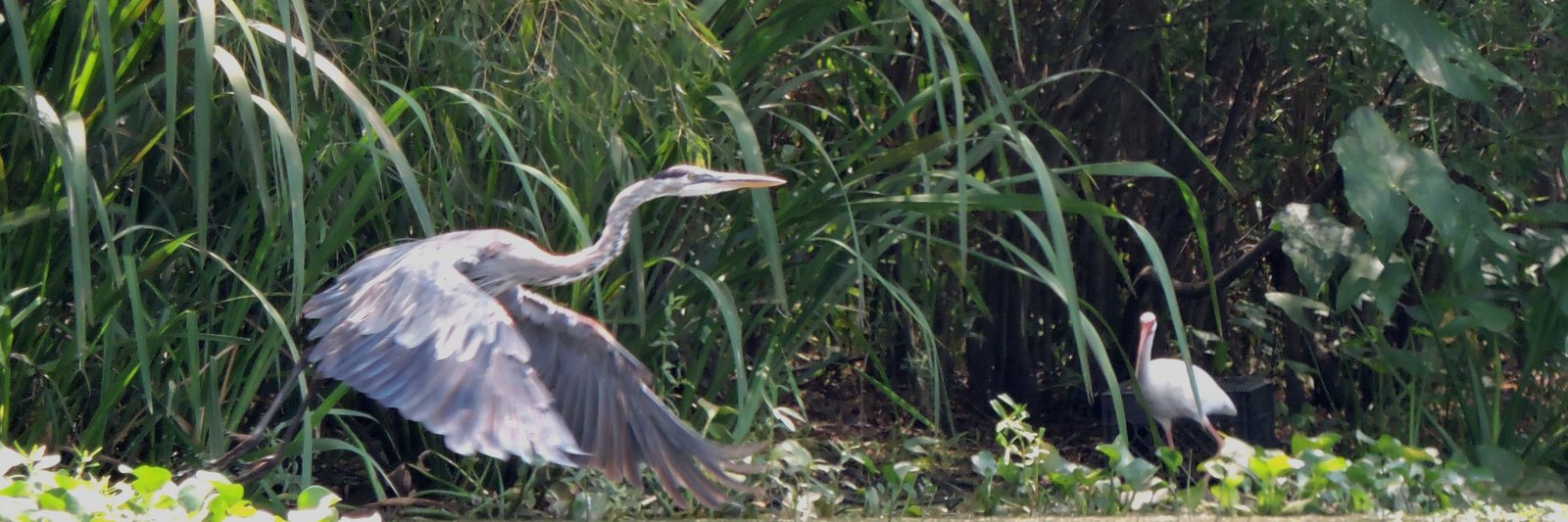
The Barataria-Terrebonne Estuary in Louisiana spans 16 parishes. Its coastal waters and wetlands are home to hundreds of species of birds, mammals, reptiles, fish, and shellfish — and whole ecosystems that support the state's economy and way of life. This place is also the fastest disappearing land mass on Earth, mainly due to sea-level rise, levee and dam construction, and a history of intensive fossil fuel extraction.
That extraction has left a harmful, toxic legacy — in the form of aging infrastructure left behind by the oil and gas industry.
The estuary contains more than 3,200 inactive oil and gas wells, more than 500 "orphaned wells" — whose owners are unwilling or unable to plug the wells — and hundreds of miles of abandoned pipelines. This web of rusting infrastructure blocks coastal restoration efforts, poses a safety hazard to boaters and other people who access the estuary, and leaks toxins that pollute the environment and harm wildlife like endangered Kemp's Ridley sea turtles, threatened red knots, and imperiled Barataria Bay bottlenose dolphins. And although the wells and pipelines are inactive, the canals built to service them remain — bringing in saltwater that accelerates the sinking of surrounding lands.
Through strong enforcement and new law and policy, Louisiana leadership should prioritize plugging coastal wells, close loopholes that let oil companies dump their obligations on the state, and require those companies to set aside enough money to pay for cleanup.